

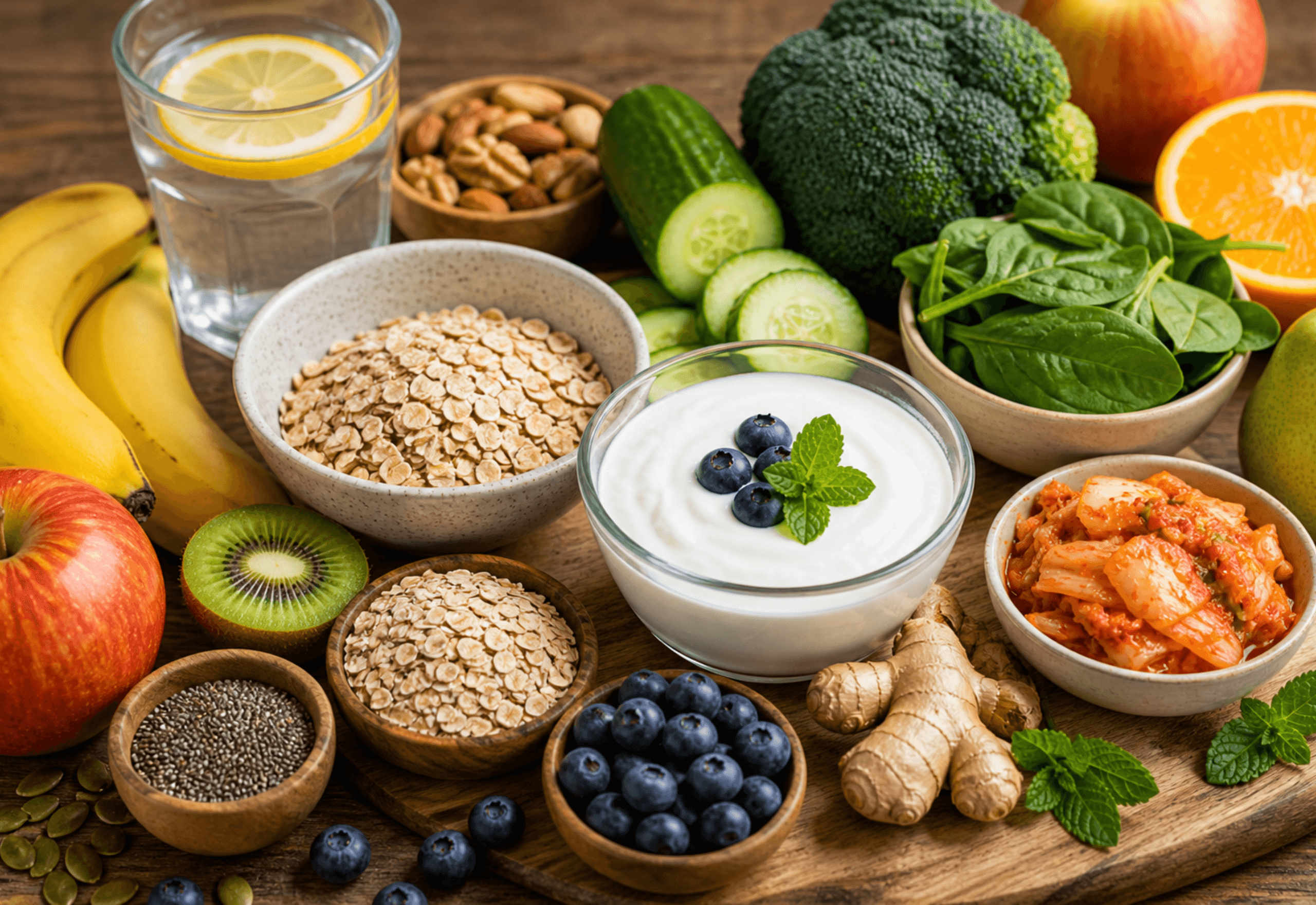
Good digestion shapes how you feel each day. Many people face gas, slow gut, or a heavy feel after meals. This can lower your energy and make daily tasks harder. The root cause is often not clear, but food plays a key role. When you choose the right food for better digestion, your gut starts to feel calm and active. Your body works in a smooth way, and you feel light and fresh. Small daily changes can lead to big results over time. The goal is not strict diet rules, but a smart and simple way to eat that supports your gut.
In This Article
Why Gut Health Needs Smart Food
Your gut helps break food and move waste out of your body. It also plays a role in your mood and energy levels. When your gut is weak, you may feel tired or face skin issues. This shows that gut health is not just about food, but your full system. Choosing the right food for better digestion helps your gut stay active and balanced.
Foods rich in fiber and water help your gut work with ease. On the other hand, heavy and oily meals can slow the process. For example, a fruit bowl works better than fried snacks. A common mistake is eating too fast, which puts stress on your gut. An expert tip is to chew food well and eat in a calm state so your gut can process food smoothly.
Best Foods That Help Gut Work Well
Some foods support digestion in a natural and simple way. They help your gut move food, absorb key parts, and stay clean. Adding food for better digestion into your daily meals can make a clear difference in how your body feels.
Key foods to add in your diet:
- Fiber rich foods like oats and fruits
These foods help your gut move waste in a smooth way. They also feed good gut bacteria that keep your system in balance. For example, apples and oats are easy to add daily. A mistake is eating too much fiber at once, which may cause gas. Start slow and let your body adjust. - Fermented foods like yogurt
These foods add good bacteria to your gut and help improve digestion. They support your body in breaking food and absorbing nutrients. For example, yogurt with meals can calm your gut. Avoid sugary types and choose plain ones. This keeps your gut in better shape. - Water rich foods like cucumber
These foods keep your gut soft and help food move easily. They also reduce heat in your system. For example, cucumber slices in meals can help digestion. A mistake is to depend only on drinks for water. Food also gives hydration.
Role of Fiber in Digestion Health
Fiber is a key part of any food for better digestion plan. It helps move food in your gut and keeps waste from building up. There are two types of fiber, and both support gut health in different ways.
Soluble fiber forms a soft gel and slows digestion, while insoluble fiber adds bulk and helps waste move out. A mix of both works best for your body. For example, beans and grains offer both types. A mistake is cutting fiber due to gas issues. In fact, slow use of fiber reduces such problems. Always pair fiber with enough water for best results.

How Water Supports Digestive Process
Water plays a big role in digestion, yet many people ignore it. It helps break down food and move it through your gut. Without enough water, digestion slows and waste builds up. This can lead to discomfort and a heavy feeling.
Drinking water at the right time is also important. Small sips during meals can help, but too much may affect gut balance. It is better to drink between meals. A mistake is waiting until you feel very thirsty. By then, your body already needs water. A steady intake supports food for better digestion in a natural way.
Foods to Avoid for Smooth Digestion
Not all foods help your gut. Some can slow digestion and cause stress in your system. When you aim for food for better digestion, you must also reduce foods that harm your gut.
Foods that may harm your digestion:
- Fried and oily foods
These foods take longer to digest and can sit in your gut. This may cause gas and discomfort. For example, fried snacks can slow your system. Try to reduce them and choose lighter options. Small changes can improve digestion. - Too much sugar foods
High sugar can disturb gut balance and feed bad bacteria. This can lead to bloating and slow digestion. For example, sweet drinks can harm your gut if used often. Choose natural options like fruit. Keep sugar intake low. - Processed foods
These foods have low fiber and high salt or fat. They do not support your gut health. For example, packed snacks can harm digestion. Fresh meals are always a better choice. They give your body real value.
Meal Habits That Improve Digestion
Your eating habits are as important as your food choice. Poor habits can stress your gut even if you eat healthy food. A good routine supports food for better digestion and helps your body stay balanced.
Eating at fixed times helps your gut build a steady rhythm. For example, regular meals improve digestion. A mistake is skipping meals and then overeating. This can overload your system. An expert tip is to eat slowly and avoid screens. This helps your brain and gut work together.
Natural Ways to Boost Gut Function
Simple habits can improve your digestion without effort. These steps support your gut and make your daily routine more effective. When combined with food for better digestion, they give better results.
Simple habits to support digestion:
- Eat in a calm state
Stress slows digestion and makes it hard for your gut to work. Eating in a calm mood helps your body focus on food. For example, take deep breaths before meals. Avoid eating in a rush. - Light walk after meals
A short walk helps your gut move food easily. It reduces gas and keeps your system active. For example, a ten minute walk after dinner works well. Avoid lying down after meals. - Follow a simple routine
Your gut likes a fixed plan and works best with it. Eating at the same time daily helps digestion. For example, keep dinner light and early. Avoid late heavy meals.
Simple Daily Plan for Better Digestion
A daily plan helps you stay on track with ease. Start your day with warm water and light food like fruit or oats. This wakes up your gut in a gentle way. Add food for better digestion in each meal to support your system.
Keep lunch balanced with fiber, protein, and fresh foods. This keeps your energy stable. Dinner should be light and early so your gut can rest. A mistake is eating late at night. Stop food intake at least two hours before sleep. This helps your gut recover and stay strong.









Leave a Reply