

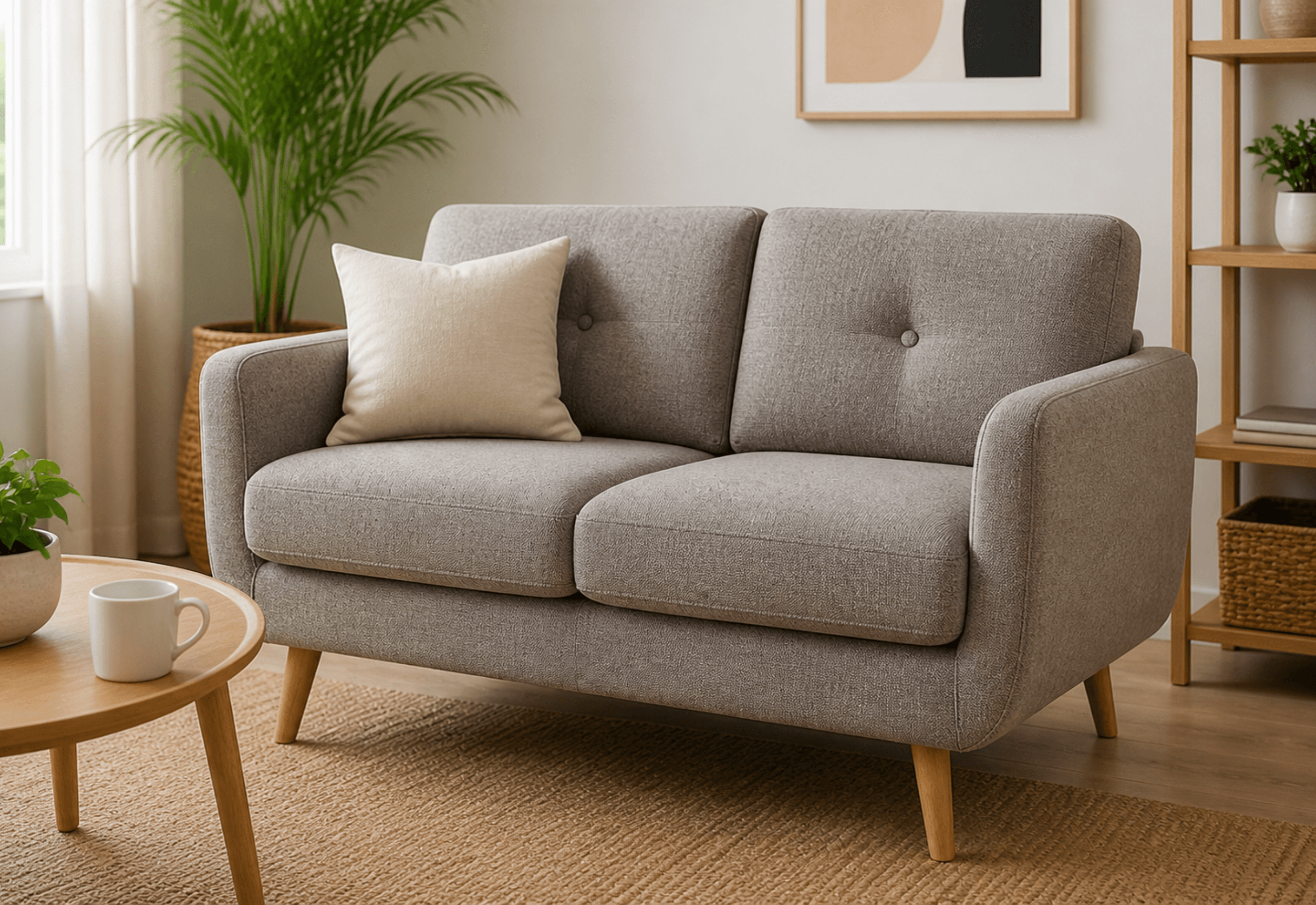
Small sofas can feel tight when large furniture takes over your space. You try to adjust, but bulky seating blocks flow and limits comfort. This creates stress in daily life and makes your room less useful. The good news is that smart furniture can fix this issue. Small Sofas offer a clean and simple way to save space while keeping comfort. They fit well, look neat, and allow easy movement in your room. When you choose the right one, your space feels open and calm. A smart setup with the right sofa can change how your home works every day.
In This Article
Why Compact Sofas Fit Modern Homes
Modern homes focus on smart use of space and clean design. Rooms often serve more than one role, so furniture must match this need. A large sofa may look good, but it can reduce space and block movement. This is why many people now prefer Small Sofas for daily use.
They help keep your room open and easy to move in. For example, in a small lounge, a compact sofa leaves room for other items. A common mistake is buying a sofa that looks good in store but feels too big at home. Always measure your space before buying. This helps you avoid size issues and keeps your room balanced.
Key Features to Look in Small Sofas
A good sofa is more than just size and style. You need comfort, strong build, and long use value. When you check these features, you make a better choice that lasts for years.
Firm cushions give support and help keep shape over time. The frame must be strong so the sofa stays stable with daily use. For example, a good frame helps avoid sag or noise later. A mistake is to pick design over comfort. Always sit and test before buying to make sure it suits your needs.
Smart features to check before buying:
- Strong frame and solid base
A strong frame keeps your sofa stable and long lasting. It helps avoid early wear and damage. For example, wood frames work well for daily use. Weak frames may break or bend. Always check base quality before you buy. - Balanced seat depth and height
The seat should match your body for easy sitting. Too low or too deep may cause pain. For example, a proper seat helps you relax with ease. Many ignore this and regret later. Always test comfort in store. - Easy care fabric choice
Fabric should be easy to clean and strong for use. This keeps your sofa fresh and neat. For example, stain safe fabric is a good pick. Soft but weak fabric may wear fast. Choose smart and practical material.
Best Placement Ideas for Small Spaces
Where you place your sofa matters as much as the sofa itself. Good placement improves flow, light, and comfort. Poor setup can make even a good sofa feel wrong in your space.

Place your sofa near a wall to free walking space. In some rooms, placing it near a window creates a calm corner. For example, corner setup works well in tight areas. A mistake is blocking doors or paths with furniture. Leave some open space so your room feels easy and free to move.
How Color Affects Room Feel and Space
Color plays a key role in how your room looks and feels. Light shades make a room feel open, while dark tones can feel heavy. When you choose Small Sofas, color can change your space feel.
Soft shades like beige or light gray reflect light and create a calm look. For example, a light sofa can make a small room feel bigger. A mistake is choosing very dark tones in tight areas. Try to match sofa color with wall tone. This keeps your space smooth and well balanced.
Material Choices for Daily Use Comfort
Material affects both comfort and long use. A sofa should feel soft yet strong for daily use. The right material depends on your routine and how often you use it.
Fabric sofas feel warm and cozy, while leather types are easy to clean. For example, fabric suits relaxed homes, while leather gives a sleek look. A mistake is picking only based on style. Think about care and daily use. Choose a material that fits your life.
Common Buying Mistakes to Avoid Early
Many people rush when buying furniture and face issues later. A sofa is a long term item, so careful choice is key. Avoiding simple mistakes helps you save money and stress.
- Not measuring your space first
Skipping size check leads to poor fit in your room. The sofa may block paths or feel too big. For example, a large sofa reduces free space. Always measure before buying. This step saves time and effort. - Choosing look over comfort
A sofa may look stylish but feel poor in use. Comfort must come first for daily life. For example, firm seats support better use. Many regret style only choices. Always test before you buy. - Ignoring frame and support
Weak frames lead to early damage and poor use. The sofa may sag or feel loose. For example, bad joints cause noise later. Check build quality well. Strong frame means long life.
Simple Care Tips for Long Sofa Life
Care is key if you want your sofa to last long. Small habits can keep it clean and fresh. This helps your sofa stay in good shape for years.
Clean dust with a vacuum to keep fabric fresh. Treat stains early so they do not set. For example, quick cleaning stops marks from staying. A mistake is ignoring small dirt spots. Use covers if needed to protect your sofa from daily wear.
How Small Sofas Improve Daily Living
A well chosen sofa improves your daily routine in simple ways. It gives you a place to sit, relax, and spend time with ease. When it fits well, your room feels calm and useful.
Small Sofas help create balance between space and comfort. They allow more free room for other uses. For example, you can add a desk or shelf in saved space. A mistake is thinking big sofas give more comfort. In fact, the right size gives better use and feel.
Quick steps to choose the right one:
- Measure your room and plan layout
Check your space before buying to avoid size issues. This helps you pick the right fit. For example, mark the sofa area first. This gives a clear idea of placement. Good planning saves effort later.










Leave a Reply