

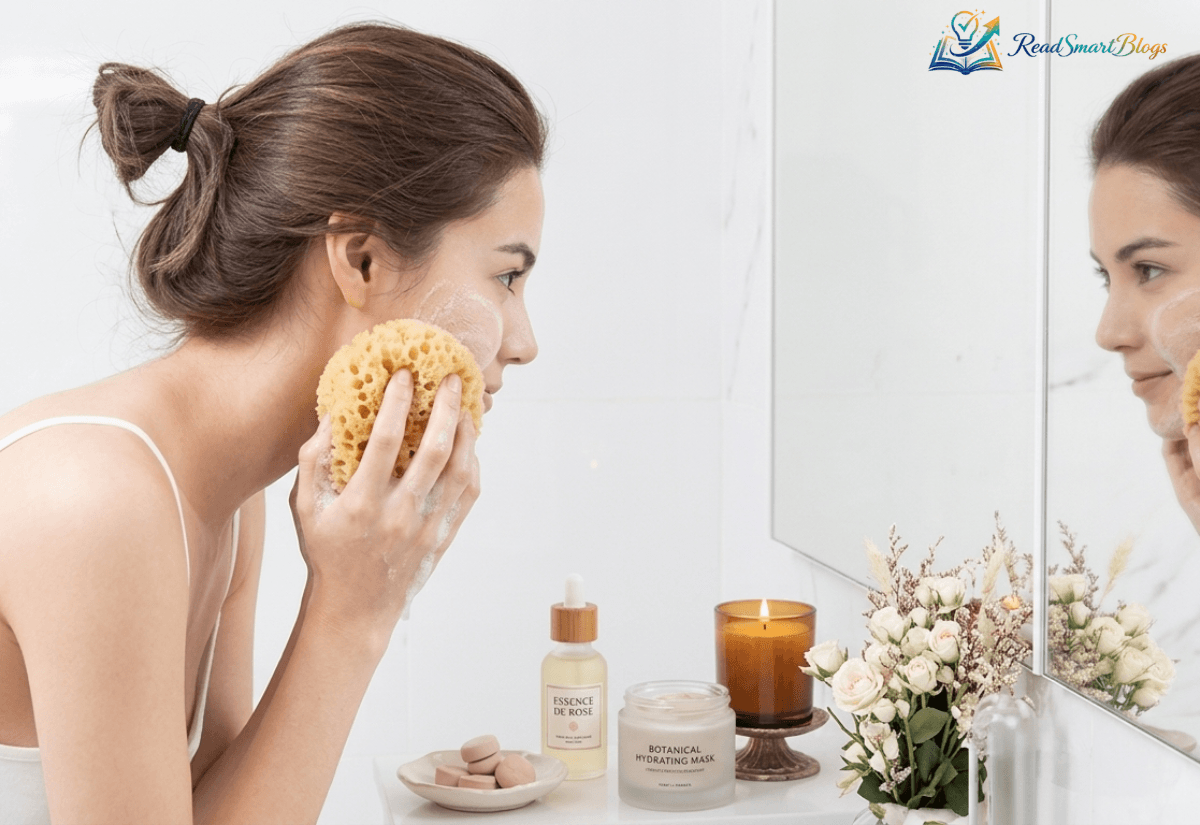
Gluconolactone pregnancy worries kept me awake for three nights straight after I found out I was expecting. I stood in my bathroom, looking at a counter full of serums, wondering if my normal skincare routine was suddenly a danger to my growing baby. Your body changes so fast during these nine months, and your skin often goes wild with breakouts, dry patches, or dark spots that make you feel self conscious.
Finding safe alternatives to harsh retinoids becomes a massive chore for every mother to be. You want something that actually works but will not cause any harm. That is how most people discover this specific polyhydroxy acid, which promises gentle results without the scary warnings.
I decided to look past the marketing hype and look at the actual science behind this ingredient. It turns out this compound has a long history in both food and medicine. Understanding how it interacts with your body can give you real peace of mind while you manage your changing skin.
In This Article
What Exactly Is This Skincare Ingredient
This interesting compound is a naturally occurring substance that belongs to the polyhydroxy acid family. It is not some synthetic chemical whipped up in a scary lab last week. In nature, you can find it inside sweet things like pure honey, fermented wine, and various fresh fruit juices. The historical discovery timeline shows scientists first isolated and studied gluconic acid derivatives in the mid twentieth century for food preservation before anyone ever thought to put it on a human face to improve skin texture.
Instead of growing on a tree vs vine like traditional botanical ingredients, it is usually produced through a natural fermentation process involving glucose. This corn or beet sugar undergoes aerobic oxidation to turn into a stable powder. It requires a highly Creative production method to make it stable enough for your favorite lotions. This natural origin makes it incredibly biocompatible with your skin cells.
How Your Body Processes the Compound
When we think about skincare ingredients, we rarely talk about nutrition or energy. However, this acid is unique because it is fully active inside the human metabolic system. If you were to ingest it as a food additive, where it goes by the code E575, it breaks down directly into glucose. Because of this direct conversion, it carries about four calories per gram just like any other standard carbohydrate.

Of course, you are not drinking your face serum, so the caloric value does not matter for your daily diet. When applied to your skin, it does not act as a source of energy for your body. Instead, it stays on the surface layers to break down the tiny bonds holding dead skin cells together. It acts like a tiny, gentle Creature chewing away at the dull patches without disturbing the fresh skin hiding underneath. This makes it highly unique among exfoliating choices.
Why Expecting Mothers Seek This Gentle Acid
Many women experience severe breakouts or dark patches called melasma during pregnancy. Traditional treatments like salicylic acid or retinoids are usually off limits because they carry systemic risks for the baby. This is why a gluconolactone pregnancy routine is highly recommended by modern dermatologists who want to protect mothers. It gives you a way to fight dullness and clogged pores without triggering anxiety about safety. It offers a reliable path to clear skin.
The acid works by attracting moisture from the air and locking it directly into your skin barrier. This dual action of exfoliating while hydrating is exactly what stressed skin needs during hormonal shifts. It keeps your complexion bright and calm without causing the deep flaking associated with older skincare acids.
Here are the main reasons this compound works so well during these nine months:
- It provides intensive hydration because its molecular structure holds multiple water-loving hydroxyl groups.
- The gentle exfoliating action prevents the formation of pregnancy acne by keeping pores completely clear of sebum.
- It offers significant antioxidant protection which helps shield your skin from environmental pollution and UV damage.
- The soothing nature of the acid actively reduces redness and inflammation caused by shifting maternal hormones.
Potential Side Effects and Skin Reactions
Even the gentlest ingredients can sometimes cause a mild reaction if your skin barrier is already compromised. Some women report very minor side effects like a brief tingling sensation or slight redness upon application. These issues usually happen if you apply the product to damp skin or if you mix it with other strong active ingredients. It is always wise to perform a patch test on your jawline before covering your entire face.
Because your skin becomes significantly more sensitive during pregnancy, you should monitor how often you use any acid. Starting with two nights a week is a smart way to let your body adjust. If you notice persistent itching or peeling, you should stop the Activity immediately and stick to a basic moisturizer. Listening to your body is the best way to prevent unnecessary irritation.
The Science Behind Low Blood Absorption
The primary reason a gluconolactone pregnancy routine is considered so safe comes down to simple physics and molecular size. Some popular skincare acids have tiny molecules that easily slip past your skin barrier and enter your bloodstream. This compound has a massive molecular weight compared to things like glycolic acid. Because the molecule is so large, it physically cannot penetrate into the deeper layers of your tissue.
It sits comfortably on the very top layer of your skin, doing its job without going any deeper. This lack of deep systemic absorption means the ingredient never reaches your bloodstream or your developing baby. It stays exactly where you put it, offering localized benefits without creating internal risks.
Scientists measure skin absorption using specific metrics that prove its safety:
- The molecular size is roughly twice as large as glycolic acid which prevents deep cellular penetration.
- It shows a high affinity for the stratum corneum meaning it prefers to stay in the dead outer layers.
- Clinical trials confirm it does not alter internal blood chemistry or cause systemic toxicity when applied topically.
Smart Ways to Build Your Daily Routine
Incorporating a gluconolactone pregnancy regimen into your life does not require a complex or stressful strategy. You can find it in gentle daily cleansers, hydrating toners, or lightweight night creams. It pairs beautifully with other pregnancy safe ingredients like hyaluronic acid and vitamin C. Just make sure you always apply a broad spectrum sunscreen every single morning since any exfoliation can make your skin slightly more vulnerable to the sun.
You do not need to worry about complex rules or timing systems when using this gentle acid. Simply wash your face, apply your serum, and seal everything in with a rich moisturizer. Taking care of your skin should be a relaxing ritual rather than a source of stress during your pregnancy journey. Focus on simple, consistent care and your skin will remain radiant and healthy.
| Feature | Gluconolactone | Glycolic Acid |
| Molecular Category | Polyhydroxy Acid | Alpha Hydroxy Acid |
| Molecule Size | Relatively large | Extremely small |
| Skin Penetration | Stay on surface outer layer | Penetrates deep into cells |
| Irritation Risk | Very low skin irritation | Higher risk of redness |
| Main Mechanism | Slow surface exfoliation | Fast deep tissue turnover |
| Moisture Action | Draws water and hydrates skin | Exfoliates without extra hydration |
| Pregnancy Safety | Widely safe and recommended | Use with caution in high doses |
| Delivery Speed | Gradual absorption over time | Rapid absorption into skin |
| UV Sensitivity | Does not increase sun damage | Increases sun sensitivity |
| Antioxidant Trait | Strong natural protection | No inherent antioxidant traits |
| Barrier Support | Strengthens outer skin wall | Can thin the skin barrier |
| Primary Source | Plant sugars via fermentation | Derived from sugar cane |
FAQs That Clear Common Doubts
Can I use gluconolactone every single day while pregnant?
Yes you can safely use it once or twice daily because it stays on the surface of your skin.
Does gluconolactone pass through the placenta to the baby?
No it does not pass through the placenta because its large molecular size blocks blood absorption.
Is gluconolactone better than salicylic acid for maternal breakouts?
It is much safer because salicylic acid carries systemic risks while this acid stays local.
Can I combine this acid with my regular vitamin C serum?
Yes they pair perfectly together to brighten your skin without causing extra irritation or redness.
How many days does it take to see clear skin results?
Most women notice a smoother texture and better hydration within fourteen days of regular application.







Leave a Reply