

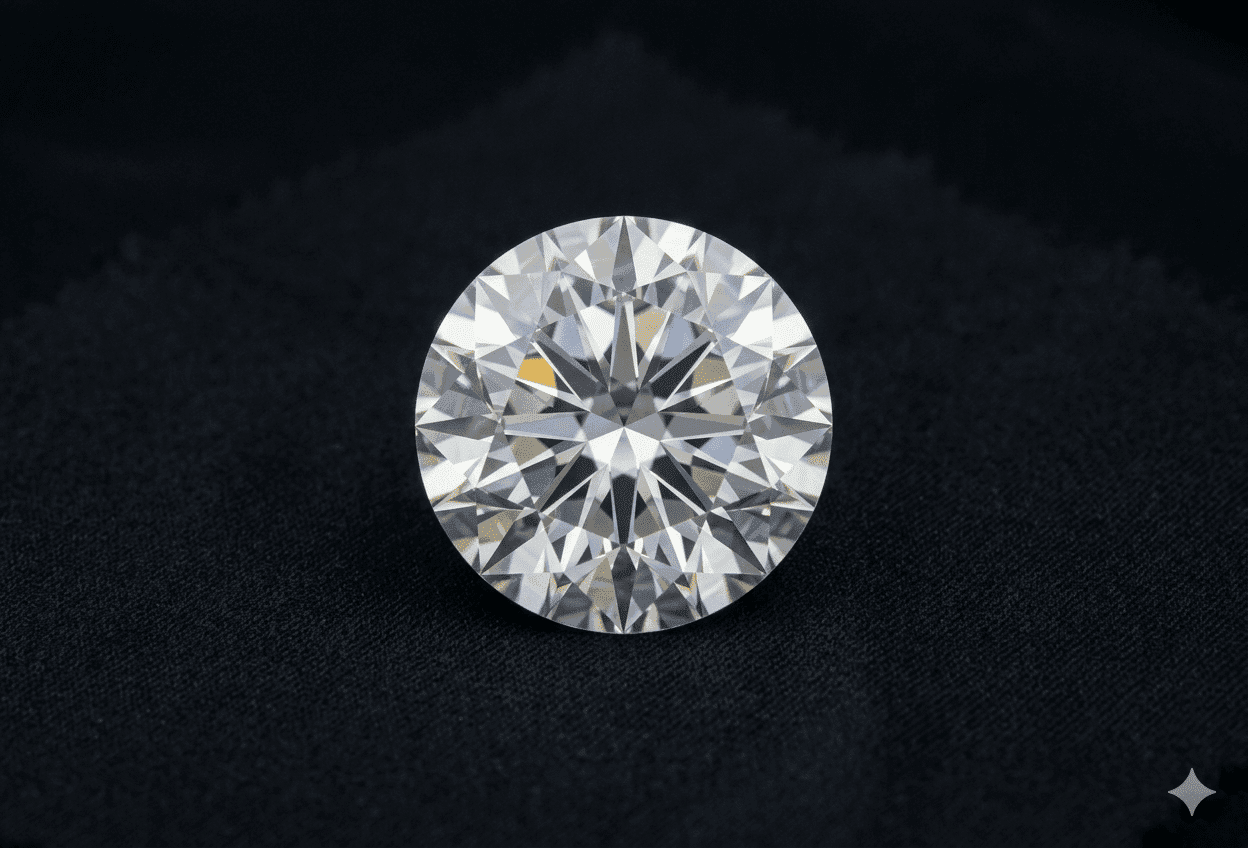
When you look for a rare stone, clarity cut and brilliance are the most vital factors to check. You want a gem that looks bright and feels alive in any light. Most people look at the size first, but the real beauty comes from how the stone handles light. If a stone has flaws or a poor shape, it will look dark and dull. You need to know why some gems shine more than others to make a smart choice. This guide helps you see the truth about light and stone value.
The secret to a great stone is the mix of its core parts. When the clarity cut and brilliance work together, the gem truly glows from within. This guide will show you how to pick a stone that stays bright for a lifetime. You will learn how to avoid common traps that lead to buying a “dead” stone. A good gem is a joy to own and wear for many years. We will look at how light moves and why it matters to you. You deserve a stone that shows true quality.
In This Article
Clarity Cut and Brilliance: The Main Rule
When you buy a gem, you want it to sparkle. This happens when the stone is clear and well made. Clarity means the stone has few marks inside. Cut refers to how the person shaped the stone. When these two things work well, you get high brilliance. Brilliance is the white light that reflects to your eyes. If the stone is cloudy, light gets trapped. If the cut is too deep, light leaks out the bottom. You need a perfect mix of both to get that fire.
A great stone acts like a mirror for light. If the clarity is poor, the “mirrors” inside are broken. Even a big stone can look like a piece of glass if it lacks these traits. You must check how the stone reacts under a bright lamp. A good stone will return a lot of light to you. Most experts say that cut is the most vital part. It controls how much light can enter and leave. Always look for a stone that feels alive and bright in your hand.
- Seek a stone that returns a lot of white light to your eye.
- Ensure the clarity is high so no marks block internal light.
How Stone Clarity Impacts Light Return
Clarity is about the purity of the stone’s body. Natural stones often have tiny marks called inclusions. These can be small crystals or clouds. If these marks are in the center, they block light. This reduces the brilliance you see from the top. A stone with high clarity allows light to pass through easily. This makes the gem look more vivid and sharp. You should look for stones that are “eye clean” to the view. This means you cannot see flaws without a tool.
A clear stone allows light to travel deep and bounce back. If the stone has many marks, it looks “sleepy” or hazy. This is common in stones with low grades. You want to avoid any flaw that reaches the surface. Such marks can make the stone weak over time. High clarity ensures the stone keeps its value for a long life. It is the best way to make sure your gem stays a classic. Always ask for a report to see where the marks are hidden.

Expert Tip for Purity
Check the stone under a small lens first. If you see big black spots, the light will not move well. High clarity ensures the stone stays bright even in dim rooms.
The Role of Precision Cutting Skills
The cut is not just the shape of the gem. It is the math used to place each facet. Facets are the flat surfaces on the stone. If they are at the right angle, light bounces back. This is what creates the flash we call brilliance. A poor cut makes a stone look dark or “dead.” Even a clean stone looks bad with a poor cut. You want the light to hit the back and return. This creates a look of depth and rich color.
A pro cut will use angles that catch every bit of light. If the cut is too thin, the light goes straight through. This is called a “window” effect and it looks very cheap. A deep cut makes the stone look dark in the center. You want the middle ground where the light is even. This even light is what gives the stone its high value. A good cut can even hide small marks inside the stone. This shows why the maker’s skill is so important for beauty.
Science of Light in Fine Gems
Light enters the gem and slows down. This is why gems have so much fire. The light hits the back walls of the stone. If the angles are right, it reflects like a ball. This path must be clear of any big flaws. If the clarity is low, the light hits a mark and stops. This is why clarity cut and brilliance are tied together. You cannot have one without the other in a top gem. The goal is to keep light inside as long as possible.
When light leaves the stone, it splits into colors. This is the “fire” part of brilliance. A deep stone might hold light too long. A thin stone lets it pass through like a window. You want a gem that acts like a prism. It should take white light and turn it into a show. This only happens if the polish is also very smooth. Smooth surfaces let light enter without any blur. This keeps the edges of the light very sharp.
Common Mistakes When Buying Jewelry
Many people focus only on the weight of the stone. They think a big stone is always a better stone. This is a mistake if the cut is very poor. A small, bright stone looks better than a big, dull one. Another error is ignoring the clarity of the gem. Some think a few marks do not matter at all. But if those marks block light, the stone loses its soul. You must view the stone in many types of light. Do not just look at it under store lamps.
Buying a stone without a report is a big risk. You might think the clarity cut and brilliance are good, but a pro report proves it. Without it, you might pay too much for a low grade stone. Some stones are treated to look better than they are. You need to know if the stone is natural or fixed. A fixed stone might lose its look over time. Always ask for full facts before you give any money. This keeps your investment safe and sound for years.
Finding the Best Possible Stone Choice
Always ask to see the stone in natural day light. Store lights are made to make everything look great. Natural light shows the true truth of the gem. Look for a stone that has a high “light return” grade. This tells you the cut is doing its job well. If the stone looks dark in the middle, move on. That is a sign of a “nail head” cut. You want a stone that is bright from edge to edge. This shows the maker took time to do it right.
A good expert will show you the stone under a lens. They will point out the marks that affect the light. If they hide the stone, do not buy it. You need to know exactly what you are paying for. A bright stone is a result of hard work and nature. It is worth the extra time to find the right one. Your eyes will tell you if the stone is truly bright. Trust your gut feeling when you see a gem you love.
How to Maintain Your Stone Over Time
Gems get dirty very fast from oils and dust. This dirt sits on the surface and blocks light. Even a perfect stone will look dull if it is dirty. You should clean your jewelry once a week. Use warm water and a very soft brush. This removes the film that hides the stone’s fire. When the back of the stone is clean, brilliance returns. Always dry it with a soft cloth to avoid spots. This keeps the clarity cut and brilliance at their best level.
The type of setting you choose also matters. A high setting lets more light enter the stone from the sides. A low or closed setting might make the stone look dark. If you want the most shine, pick a setting with thin prongs. This lets the light do its work without being blocked. Regular checks by a pro will keep the stone tight in its place. A loose stone can get scratched or lost. Taking care of your gem is part of the joy of owning it.
- Clean the back of the stone where oil and dust hide.
- Use mild soap and soft brushes to protect the surface.
Final Summary of Gem Beauty Rules
A gem is a gift that should last a lifetime. Its value stays high if it stays beautiful. High clarity and a pro cut ensure this beauty. When you look at your hand, you should see a spark. This spark comes from the way the stone was born and made. Do not rush your choice when you shop for one. Take your time to see how light moves in it. A great stone will always be a joy to wear. It will remind you of quality every single day.
To get the best gem, you must be a smart buyer. Start by setting a budget for the cut, not just size. Ask the seller for the best cut grade they have. Look at the stone with no lights on in the room. If it still has a glow, it is a winner. This means the clarity cut and brilliance are in sync. Buy from a person who shows you the stone’s flaws. Honesty is a sign of a good deal and a good stone. Always check the clarity cut and brilliance in person to be sure.










Leave a Reply