

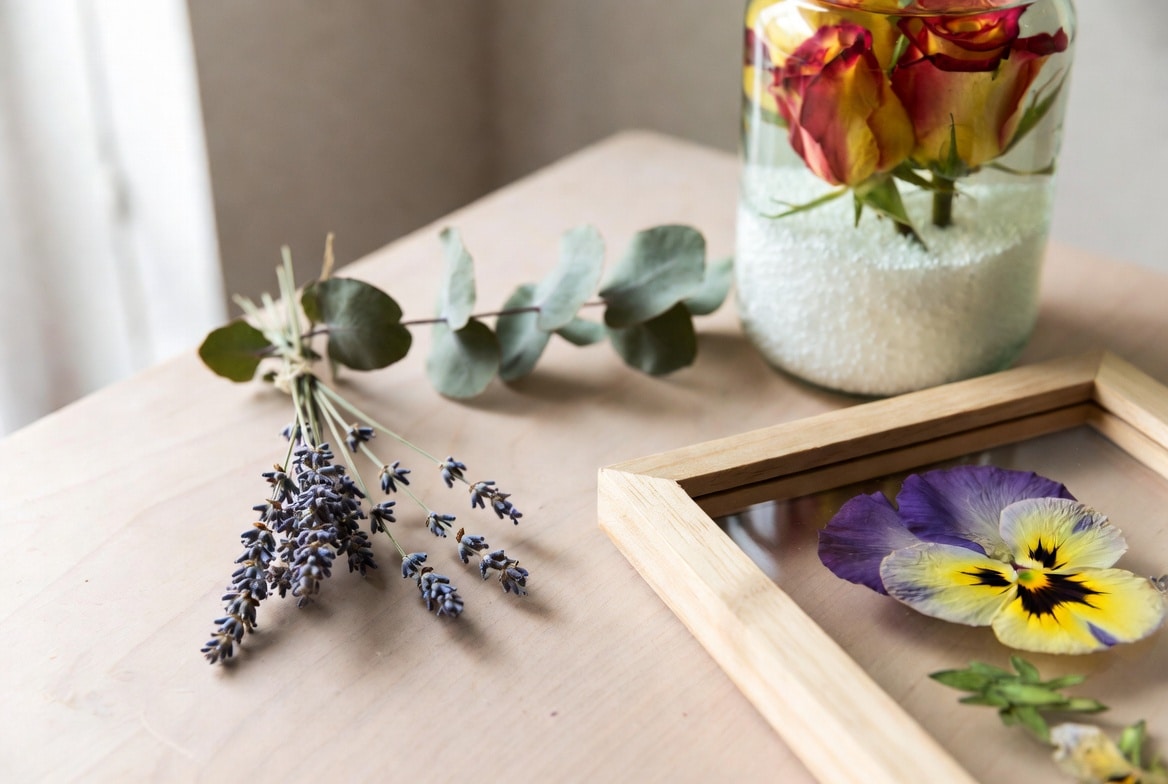
Have you ever received a beautiful bouquet only to watch it fade within days? Many people feel the same disappointment with flowers from gardens, gifts, or special events. Preserving flowers lets you keep their shape, color, and meaning for months or even years. It turns something short-lived into a lasting reminder you can display or share.
The real issue is that cut flowers lose moisture fast and wilt without proper care. Yet simple home methods can prevent this. Preserving flowers adds calm and joy because it connects you to happy moments. You save money and cut waste at the same time. This guide gives clear, honest steps that work well in any home. Once you try them, you will see how easy it becomes to make flowers last.
Why Preserving Flowers Matters in Daily Life
Preserving flowers is the careful process of treating blooms so they hold their form and beauty long after picking. It matters because flowers hold memories from birthdays, weddings, or simple garden walks. When you preserve them, you create pieces you can enjoy on a shelf or in a frame without buying fresh ones every week.
The methods remove water while protecting natural looks. For example, a mother who preserved flowers from her child’s first school event now displays them year-round. A common mistake is starting too late after the flowers begin to droop. An expert tip is to begin while petals still feel firm and fresh.
- Pick flowers at peak freshness.
- Store away from direct sun.
Selecting the Best Flowers for Lasting Results
Choosing the right flowers is the first important step in preserving flowers because not all types respond well to drying or pressing. Sturdy blooms with thicker petals usually give better results than very delicate ones that bruise easily. Roses, lavender, and daisies often work nicely while thin flowers like poppies may lose shape. You want varieties that suit the method you plan to use.
Focus on flowers that are fully open but not past their prime. Cut them on a dry day so extra water does not sit on the surface. A common mistake is grabbing any flower without checking its texture first. An expert tip is to test one small bunch before you prepare a larger group.
Simple Air Drying Methods for Natural Looks
Air drying is one of the easiest ways to preserve flowers without buying extra tools. You tie small bunches upside down in a dark, warm room with steady air flow. Moisture leaves the petals slowly so the shape stays mostly natural. This method gives a soft, vintage feel that many people love for home decor.
The process usually takes two to three weeks depending on humidity and flower size. Hang bundles from string or hooks so air moves freely around each bloom. For example, a walker who dried wildflowers from a summer path now enjoys them in a vase through winter. A common mistake is hanging them in bright light which causes quick fading. An expert tip is to check stems weekly and tighten ties if they loosen.
Silica Gel Techniques to Keep Colors Bright
Silica gel is a faster way to preserve flowers while keeping their bright colors close to fresh. You bury the blooms gently in fine beads inside a sealed container. The gel pulls out moisture quickly without changing the petal shape much. This method works well when you want vivid, full-looking flowers.
The whole process takes only a few days and you can reuse the gel after drying it in the oven. A craft lover once used it on anniversary roses and made jewelry that still looks new after two years. A common mistake is leaving air pockets around petals during burial. An expert tip is to place flowers face up and cover them lightly without pressing.
Pressing Flowers for Flat Art and Keepsakes
Pressing flowers creates flat pieces that are perfect for cards, bookmarks, or framed wall art. You place blooms between absorbent paper and apply steady weight from books or a simple press. Moisture is squeezed out evenly over time so flowers become thin and dry. This method turns everyday blooms into beautiful two-dimensional designs.
It usually takes one to four weeks and works best with flat-faced flowers like pansies or ferns. Many people press flowers from a first date or baby shower to make personal gifts. A common mistake is using damp paper which leads to spots or mold. An expert tip is to change the paper after the first few days for faster, even drying.
Glycerin Preservation for Soft and Flexible Blooms
Glycerin preservation keeps flowers and leaves soft and bendable instead of brittle. You mix glycerin with water and let stems drink the solution for several days. The mixture replaces natural moisture so the plant stays pliable and fresh-looking. This method gives a gentle, almost alive feel that sets it apart from other ways.
It works especially well for foliage and sturdy flowers like eucalyptus. A gardener once used it on autumn leaves and created wreaths that lasted three full seasons without cracking. A common mistake is using too much glycerin which can leave pieces sticky. An expert tip is to warm the water slightly to help the stems absorb faster.
mein preserving flowers is simple once you pick the right method for your needs. You gain real skills that turn ordinary blooms into keepsakes you treasure. Start small with one bunch and build your confidence step by step. Your efforts will bring lasting beauty you can enjoy every day.
Leave a Reply