

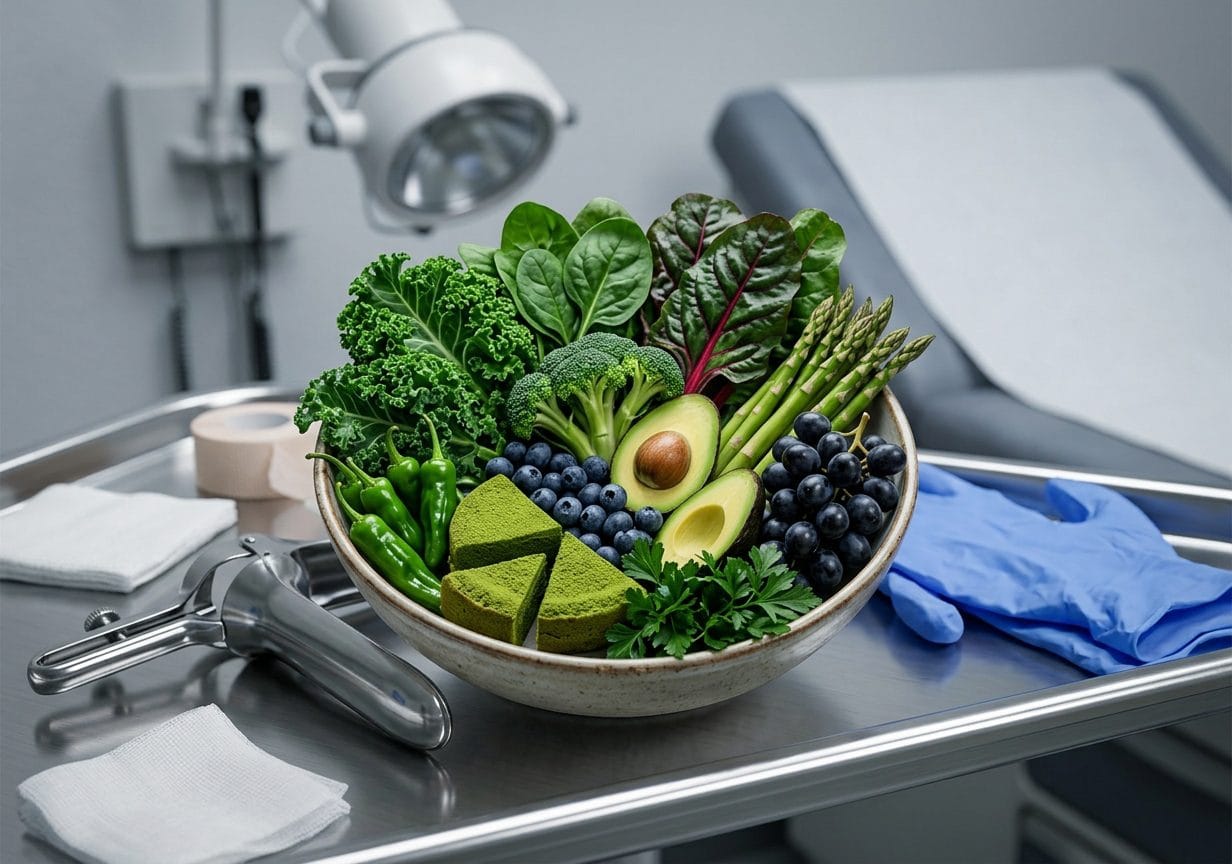
Green stool can look surprising, but it is often caused by something simple such as food, food coloring, iron supplements, or diarrhea. In many cases, the color returns to normal without treatment once the cause passes.
However, green poop can sometimes occur with an infection or another digestive problem, especially when it appears with diarrhea, abdominal pain, fever, vomiting, blood, or signs of dehydration. Understanding the shade, timing, and other symptoms can help explain what is happening.
In This Article
What Does Green Poop Mean?
The color of stool is influenced by food, bile, and how quickly material moves through the digestive system. Bile begins as a yellow-green fluid and normally changes as it travels through the intestines, helping give stool its familiar brown color. When stool moves through the digestive tract more quickly than usual, such as during diarrhea, bile may remain greener.
So, what does green poop mean in a healthy person? Often, it simply means something recently eaten or a temporary change in digestion has affected the stool. Green vegetables, food dyes, certain medicines, iron supplements, and diarrhea are recognized causes.
A single green bowel movement usually does not mean that a person is seriously ill. The more important clues are whether the color keeps returning and whether other symptoms appear at the same time.
Why Does Poop Turn Green?
Several everyday factors can change stool from brown to green. Looking at recent meals, medicines, supplements, and bowel habits can often provide a useful clue.

Green Foods and Vegetables
Foods such as spinach, kale, broccoli, and other green vegetables can affect stool color. The natural pigments in these foods may remain visible as the digestive system processes them.
A person who recently ate a large amount of green vegetables may notice a change without having any digestive illness. The color generally becomes less noticeable after the food has passed through the body.
Food Coloring
Brightly colored foods and drinks can also change bowel movements. Green, blue, and purple food dyes may create a greenish appearance after mixing with digestive fluids.
This can explain particularly vivid shades that appear suddenly after colored candy, drinks, frosting, desserts, or other processed foods. Once the coloring has passed through the digestive system, stool generally returns toward its usual shade.
Diarrhea and Fast Digestion
Diarrhea is one of the most important explanations for green stool. When food waste travels through the intestine quickly, bile has less time to change from its original greenish color into the brown shades normally seen in stool.
This is why green diarrhea can appear during a short-term stomach illness. The green color itself is not necessarily the dangerous part; the associated diarrhea can cause substantial fluid and electrolyte loss if it becomes frequent or severe.
Iron Supplements and Medicines
Iron supplements can sometimes make stool appear green or very dark. Certain medicines can also alter digestion or contribute to diarrhea, which may indirectly produce a green color.
A recent change in medication or supplements can therefore be useful information when trying to understand an unexpected stool color. Prescribed medicine should not be stopped simply because stool changes; a healthcare professional can determine whether a medication is responsible.
What Does Dark Green Poop Mean?
Dark green stool can still have ordinary explanations. Green vegetables, food coloring, iron supplements, and faster movement through the digestive tract can all produce darker green shades.
The shade alone does not reliably identify a specific disease. A person who feels well and has no persistent diarrhea, pain, fever, bleeding, or other concerning symptoms will often have a harmless explanation.
There is an important distinction between dark green and truly black stool, though. Black, tarry stool can sometimes indicate bleeding higher in the digestive tract, although iron and certain medicines can also darken stool.
What Does Bright Green Poop Mean?
Bright green poop is often associated with food coloring or foods containing strong green pigments. It can also occur when stool moves rapidly through the intestines, particularly during diarrhea.
A sudden bright green bowel movement after a brightly colored meal or drink is usually less concerning when the person otherwise feels normal. The color should be considered alongside recent food intake and other digestive symptoms rather than viewed in isolation.
What Does Light Green Poop Mean?
Light green stool can result from bile being present in the stool before it has fully changed to the typical brown color. This can happen when intestinal contents move through the digestive tract relatively quickly.
Diet can also influence lighter shades. If the color occurs briefly and there are no other symptoms, it is often reasonable to monitor it rather than assume that it indicates illness.
Does Green Poop Mean Anything Serious?
Does green poop mean anything serious? Usually, the color by itself is not enough to indicate a serious condition. Mayo Clinic notes that green stool is rarely a sign of a serious intestinal problem, particularly when there are no other warning signs.
The situation deserves more attention when green stool continues for several days or occurs alongside symptoms such as abdominal pain, fever, vomiting, bleeding, weight loss, or dehydration. Cleveland Clinic also recommends medical evaluation when unusual stool color persists or comes with concerning symptoms.
What Does Green Poop Mean in Adults?
For adults, common explanations include green vegetables, artificial food coloring, diarrhea, iron supplements, and some medicines. The digestive system can also produce temporary color changes without an underlying disease.
When considering what does green poop mean in adults, the surrounding symptoms are more useful than color alone. Green stool with no pain or diarrhea after eating spinach, for example, has a very different context from persistent green diarrhea accompanied by fever and abdominal cramps.
Certain gastrointestinal conditions can also be associated with green stool, although these are less common explanations. Cleveland Clinic lists conditions such as irritable bowel syndrome, ulcerative colitis, and Crohn’s disease among possible causes when other digestive symptoms are present.
What Does Green Poop Mean in Babies?
Infants can normally have stool that looks green or yellow-green, so parents should not automatically assume that a green diaper means the baby is sick. Newborns also normally pass a very dark green first stool called meconium.
Breastfed babies can have yellow-green stools, and several infant-specific factors can affect stool color. Formula type and diarrhea can also play a role.
What Does Dark Green Poop Mean in Babies?
Dark green poop in babies can be normal, particularly during the newborn period when meconium is passed. Later, green shades can still occur for several feeding and digestive reasons.
Parents should pay attention to the baby’s overall condition rather than judging health from stool color alone. Poor feeding, unusual sleepiness, repeated vomiting, significant diarrhea, fever, or signs of dehydration deserve medical advice.
What Does Green Poop Mean in Kids?
When considering what does green poop mean in kids, diet is often an important clue. Green vegetables, colored foods, drinks, and food dyes can all affect stool color.
Children can also develop green stool during diarrhea because intestinal contents are moving quickly. If the child remains well and the color is short-lived, it is generally less concerning than persistent symptoms accompanied by illness.
Parents should seek medical advice if green stool continues for more than a few days or if the child develops dehydration or other concerning symptoms. Mayo Clinic specifically advises contacting a healthcare professional when green stool persists for more than a few days.
What Does Green Poop Mean in Toddlers?
Toddlers often eat a varied diet, making food a common explanation for unusual stool colors. Green vegetables, colored snacks, drinks, and food dyes can all produce a temporary green appearance.
Diarrhea is another common reason. If the toddler has repeated watery bowel movements, the main concern becomes fluid loss and dehydration rather than the green color itself.
A toddler who has persistent green stool, significant diarrhea, fever, vomiting, severe abdominal pain, blood in the stool, or signs of dehydration should be assessed by a healthcare professional.
What Does Green Poop Mean Causes: The Most Common Reasons
The main causes can be grouped into a few practical categories:
- Green vegetables and other strongly colored foods
- Artificial food coloring
- Diarrhea or rapid intestinal transit
- Iron supplements
- Certain medicines
- Gastrointestinal infections
- Some digestive conditions
Food and temporary digestive changes are generally more common explanations than serious disease. Cleveland Clinic notes that infections and gastrointestinal conditions are possible, but they are not the usual explanation when someone feels well and does not have diarrhea.
Can Green Poop Mean an Infection?
Green stool can occur during some gastrointestinal infections, especially when an infection causes diarrhea. Bacterial infections, viral illnesses, and certain parasites can produce rapid bowel movements that leave more bile visible in the stool.
The color should never be used alone to diagnose an infection. Fever, vomiting, abdominal cramps, frequent watery diarrhea, weakness, or exposure to contaminated food or water provide much more useful clues.
A healthcare professional can determine whether testing or treatment is needed based on the complete symptom pattern.
Does Green Poop Mean Someone Is Sick?
Does green poop mean your sick? Not necessarily. A green bowel movement can happen in someone who feels completely healthy after eating certain foods or taking supplements.
The likelihood of illness becomes more concerning when the color appears with other symptoms. Persistent diarrhea, fever, significant abdominal pain, vomiting, blood in the stool, unexplained weight loss, or dehydration should not be ignored.
When Should Someone Worry About Green Poop?
Most short-lived color changes are not emergencies, but persistent or symptom-filled changes deserve attention. Mayo Clinic advises contacting a healthcare professional when green stool lasts more than a few days and seeking immediate care if dehydration develops.
Medical attention is particularly important when green stool occurs with:
- Severe or persistent abdominal pain
- Blood in the stool
- Black, tarry stool
- High fever
- Repeated vomiting
- Significant or persistent diarrhea
- Signs of dehydration
- Unexplained weight loss
Bright-red or black stool can sometimes indicate gastrointestinal bleeding and requires prompt medical attention, although certain foods, iron supplements, and medicines can also change stool to dark or black shades.
How Long Does Green Poop Usually Last?
The duration depends on the cause. If food or food coloring is responsible, the color generally fades after that material passes through the digestive system. Cleveland Clinic notes that food-related green coloring often disappears within a day or two.
Green stool associated with diarrhea may continue while the digestive upset is active. If the color persists for several days, repeatedly returns without an obvious explanation, or occurs with other symptoms, medical advice is appropriate.
What Should Someone Do About Green Poop?
The first step is to consider what changed recently. Recent meals, colored foods, supplements, medicines, and bowel habits can provide useful clues.
If diarrhea is present, maintaining adequate fluid intake is especially important because frequent watery stools can lead to dehydration. Mayo Clinic recommends drinking plenty of fluids when green stool occurs with diarrhea.
A person should not stop prescribed medication simply because the stool has changed color. If a medicine or supplement seems responsible, a healthcare professional or pharmacist can help determine the safest next step.
Green Poop Compared With Other Stool Colors
Stool can naturally appear in different shades, and color changes do not all have the same meaning. Brown and some green shades can be normal, while red, black, pale, white, or clay-colored stool may sometimes require more attention depending on the circumstances.
For example, pale or clay-colored stool can be associated with reduced bile reaching the intestine, while black or bright-red stool can sometimes indicate bleeding. Food, medicines, and supplements can also produce some of these colors, so the complete picture matters.
Frequently Asked Questions About Green Poop
What does green poop mean?
It often means that food, food coloring, iron supplements, or faster digestion has affected stool color. Green stool can also occur during diarrhea or some gastrointestinal illnesses.
What does a green poop mean if there are no other symptoms?
A single green bowel movement without other symptoms is often related to something eaten or a temporary digestive change.
What does neon green poop mean?
Neon green stool is commonly associated with strong food coloring or brightly colored foods, although rapid digestion can also produce vivid green shades.
What does lime green poop mean?
Lime green stool can result from food dyes, green foods, or bile passing through the digestive tract quickly. The color alone cannot identify a specific illness.
Whats green poop mean when it keeps happening?
Repeated green stool without an obvious dietary or medication explanation should be discussed with a healthcare professional, particularly when it continues for several days.
What do green poop mean when diarrhea is also present?
Green stool with diarrhea can occur because stool is moving quickly and bile has less time to change color. Persistent or severe diarrhea raises the risk of dehydration and may require medical care.
What does having green poop mean in a healthy person?
In a person who feels well, temporary green stool is often linked to food, coloring, supplements, or a short-term change in digestion rather than serious disease.
The Bottom Line on Green Stool
Green stool is usually a temporary change rather than a reason to panic. Food, food dyes, diarrhea, iron supplements, and certain medicines are among the most common explanations, while infections and digestive conditions are possible when other symptoms are present.
Anyone who develops persistent green stool, significant diarrhea, dehydration, bleeding, severe pain, fever, repeated vomiting, or unexplained weight loss should seek appropriate medical advice. Stool color is useful information, but the symptoms surrounding it provide the bigger picture.








Leave a Reply